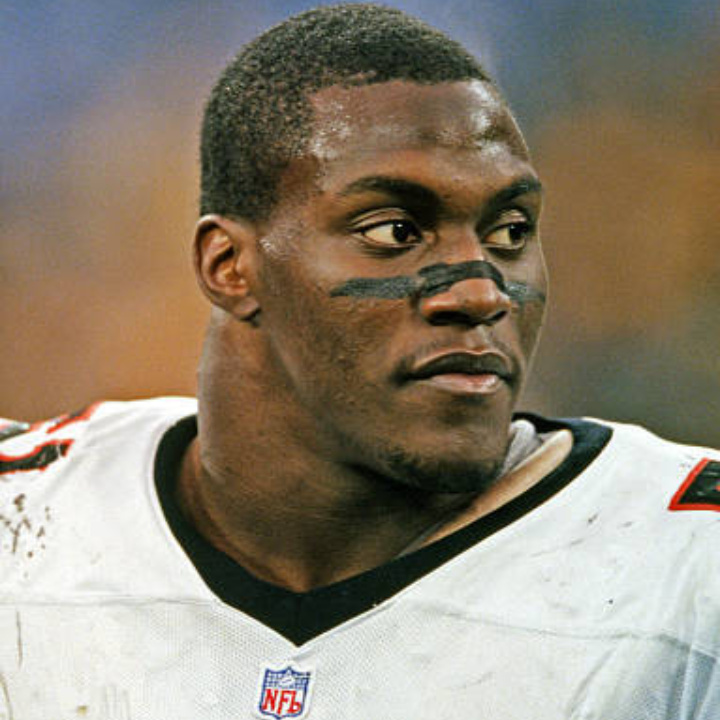
Catching Up with Former Player Rep: Takeo Spikes
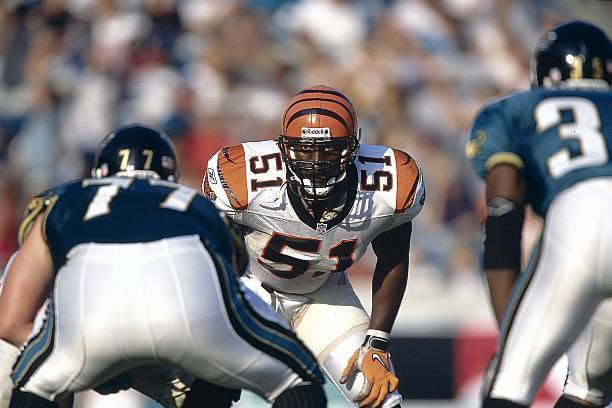
Takeo Spikes was a first round pick by the Cincinnati Bengals out of Auburn in the 1998 NFL Draft. During his 15 year NFL career, Spikes served his teammates as an NFLPA Player Rep. We caught up with Takeo and he gave us insight into his life during and after football.
What inspired you to become a Player Representative?
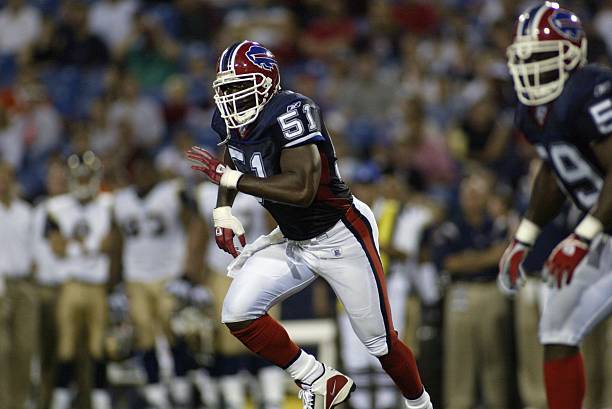
My inspiration for becoming a Player Rep happened after my first five years in the league. You become acclimated, you see guys come in, and at that time the Executive Director, Gene Upshaw, was coming in giving us information. It was like, wow, I’m really a grown-up now. What really led me to become a Player Rep is I just got tired of asking questions all the time. Back then, information was disseminated, but it wasn’t at your fingertips like it is now. You couldn’t just pull it up instantly. By my sixth year, when I went to Buffalo, I was like, I think it’s time. I got tired of relying on somebody else to always give me information, so that’s really how I fell into it. It also helped that Troy Vincent came onto our team, and he was the President of the NFLPA. For me, it was a natural tie-in. We had a lot of conversations about the gaps of need for players; how we could support guys, create programs so they could go back to school after they were done. You don’t think about that while you’re playing because you’re so consumed with making an impact. That’s how I got tied into it.
How have you applied the lessons you learned during your time playing football to your life and work after football?
It’s the same diligent lessons. The way you do some things is the way you do everything. I’ve applied those lessons since being out of the game. I’m not training to stay an elite athlete anymore, but now I train in the morning to get my day started because I want to make sure I’m still living. I want to make sure my arteries are clean and all of that. So I still start my day with a workout and then push right into everything else. The main thing is learning how to schedule. That’s been a big part of my success since leaving the league. Understanding that you can work all day, and I’m a workaholic, but at some point you have to say, okay, work is done. Make time for yourself. If you burn out, you’re doing yourself a disservice and everyone depending on you a disservice because you won’t be mentally locked in.
How would you describe your transition to post-football life? Did you feel prepared at the time?
Transition was hard. You never really know if you’re prepared or not. My thought process was just: I know I won’t fail. I’ll do whatever it takes not to become part of that statistic we always hear. Within five years of retiring, 80% of NFL players are either broke or divorced. I knew I was never going to be that statistic. I made it a point to utilize the programs I learned about as a rep. Things I fought for like tuition reimbursement. I went back to school, and that changed my perspective and outlook, not just on life but on understanding business and how we were leveraged as players. You have to do both while you’re playing. In the offseason that’s when you get the opportunity to catch up with people who aren’t playing. I took all the executive education courses they offered: Stanford, Wharton, Harvard. I went to Broadcast Boot Camp because I knew I wanted to get into media. All of those things don’t yield a return in the moment, but long term it’s like a savings account. You’re making deposits for your future. Once I went back to school and got an MBA, the executive education classes kept me curious about how everything worked. That set me apart. I just followed that track and it led to the next thing.
What advice do you have for players currently transitioning out of football?
I tell active players now: get off your a-- and do not wait until you retire. If you wait until you retire, you’re going to be in a line behind everybody else. While you’re active, you have all these resources at your disposal, you have to take advantage of them. When you retire, at least you’ve made relationships with people you never thought you’d be talking to. Whatever you decide to go into, I’d rather share information with somebody I’m cool with or someone I’ve met a time or two versus a cold ask. Start now. And as you get toward the end of your career, be more strategic. Out of all the connections you’ve made, figure out who’s in what seat and how they can help you get to where you want to go.
Looking back, what experiences or lessons from being a Player Rep have stuck with you the most, and why?
Consistency always wins. Doing a little bit every day pays off in the long run. From being a Player Rep, fighting for tuition reimbursement and healthcare stands out. I sat on the healthcare committee, and we were able to get the Gene Upshaw Player Health Reimbursement Account Plan I vividly remember complaining that we needed healthcare for the rest of our lives. It’s real. After the five years are up, the money has to come from somewhere. I felt like we were owed that because of the revenue we generated. I was willing to fight for it. The biggest lesson is staying diligent and intentional. It will yield a return.
What are you currently doing in your career, and how did you find your way into that path?
I’m currently an analyst for TNT Sports. I also have my own podcast, Behind the Mask, which I run through my media company, Behind the Mask Media. I got into it by not sitting on my a-- in the offseason. I attended the resources available, like Broadcast Boot Camp, and realized it was something I wanted to do. I wanted to sharpen my skills. I haven’t played a game since 2013, I'm 13 years retired, and looking back, everything makes sense. It’s not by accident. I planted the seeds early and nurtured them over the years. Now I’m a media guy. My podcast covers everything: sports, circumstances in the game, transitioning out, mental health. Guys have come on who had mental health problems and wanted to bring awareness to it. I like to think my content is full of substance. I interject more now when I see things going on and give my opinion. People like that. I’m clear and concise about what I want to do, and a lot of that comes from the information I share through my podcast.
Why should more players look to get involved or be active with the NFLPA?
You’re paying for it. You’re paying your dues. It’s no different than a 401k. You put into it, and you’re going to want it later in life. When we walk away from the game, we’ll have a lot in common, but also things that separate us: Super Bowls, Pro Bowls, contracts. But the one thing we all have in common is we will all be retired NFL players. It’s important to understand that you don’t get these benefits just by showing up. You’re here because of the shoulders you stood on; legends who sacrificed and went through strikes. They allowed us to get these benefits. So you do it for the next person coming behind you. That’s the one thing we all share.
What does the NFLPA Fraternity mean to you?
It means everything. I met with some former teammates a few days ago, and I walked away feeling exhilarated, like I had another sense of purpose. I’ve done a lot of things, but nothing has given me that feeling; the feeling of accomplishment, integrity, knowing somebody can trust you, being held accountable and holding someone else accountable. It’s priceless. That’s the most valuable thing I take away from the game, spending time with former teammates, chopping it up, talking about life, talking about how great we used to be. That conversation never gets old.