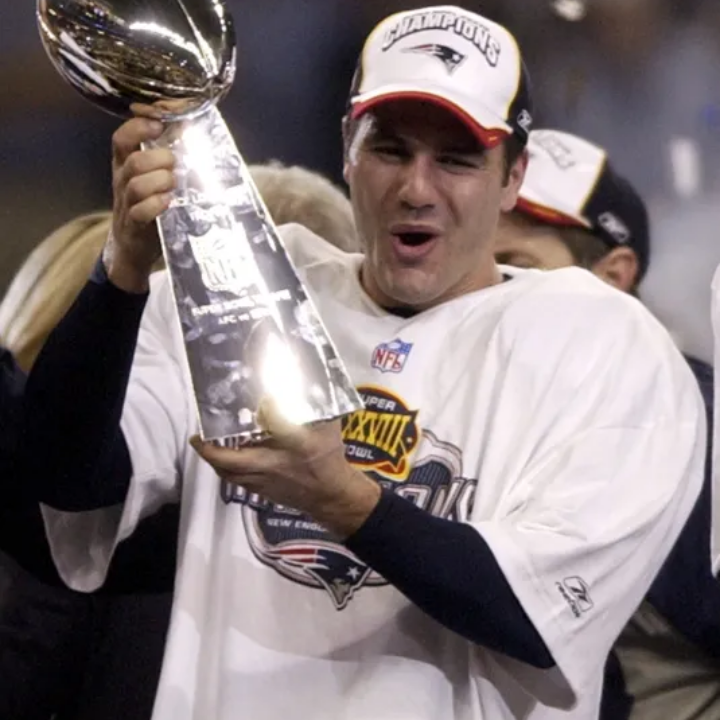
Catching Up with Former Player Rep: Adam Vinatieri
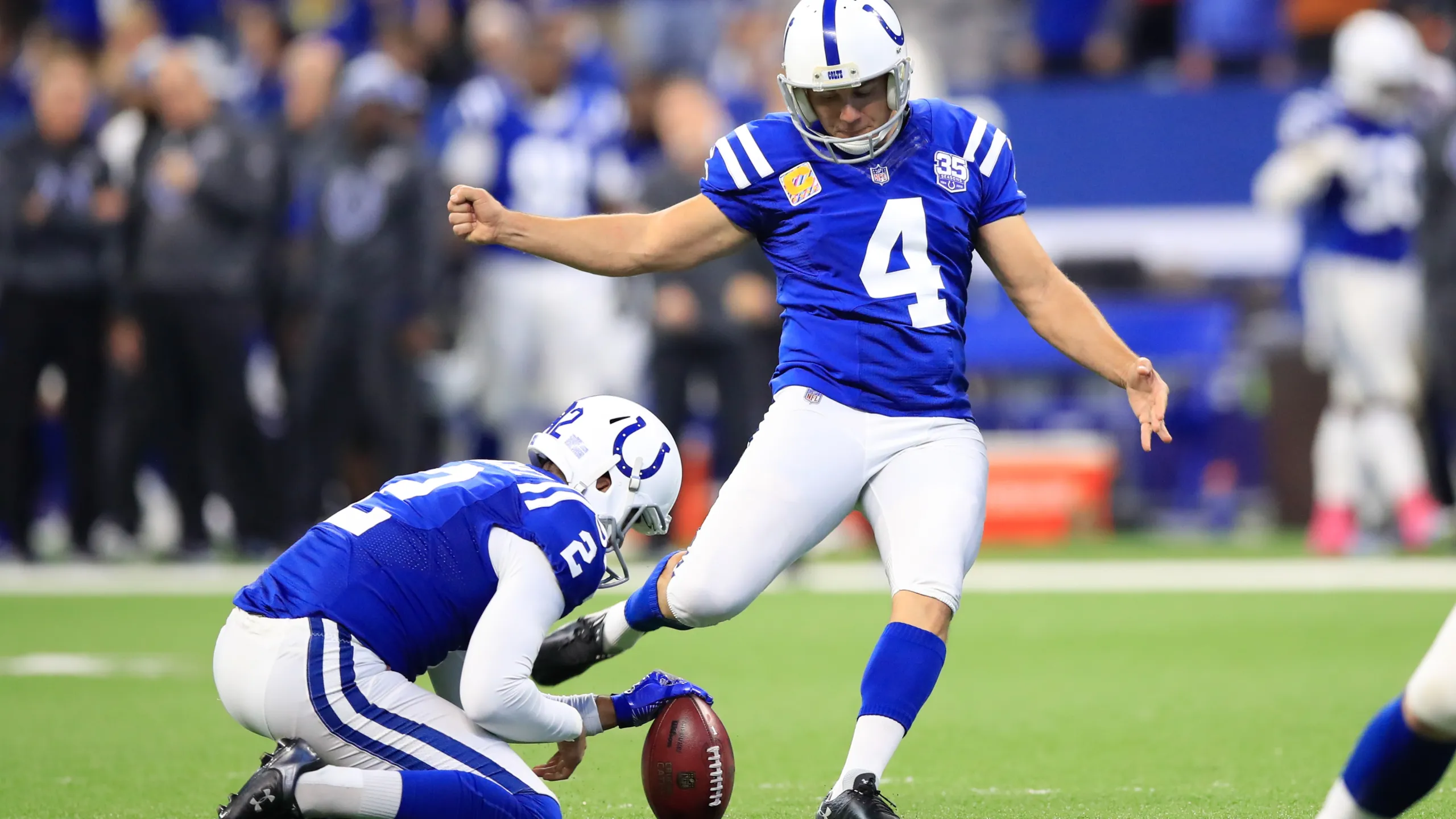
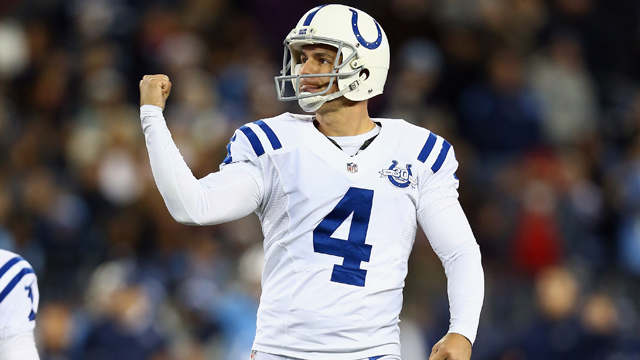
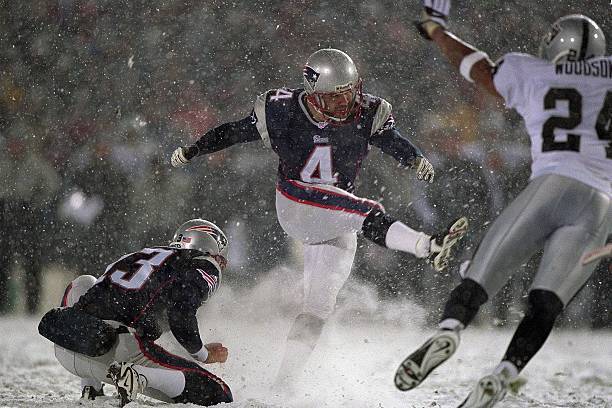
We interviewed Adam Vinatieri, former NFLPA Player Representative, Executive Committee member, and the NFL’s all-time leading scorer. A 24-year NFL veteran, Vinatieri built a legendary career with the New England Patriots and Indianapolis Colts, earning four Super Bowl titles and establishing himself as one of the greatest clutch performers in league history. Beyond his on‑field accomplishments, he spent years serving the player community, advocating for benefits, player education, and long-term well-being while helping guide the union through pivotal collective bargaining negotiations. We caught up with Adam, and he gave us insight into his life during and after football.
What inspired you to become a Player Rep?
I do wish I had started as a player rep a little earlier. I played 24 years and only served in the role for about half of that. Looking back, I regret not getting involved sooner. I think the turning point for me was during the lockout, seeing Jeff Saturday and Mr. Kraft cross the lines to work toward a solution. That moment really opened my eyes to how important the role is and how critical it is to have a voice in the process.
Once I became part of the Executive Committee, I realized how much I wanted to be one of the ten guys who are fully dedicated to the work. We spent countless hours on phone calls, conference calls, and traveling throughout the season and offseason. It wasn’t just a “free trip to Hawaii” like some people joke. For me, it was truly an honor to be part of the group making meaningful decisions.
The other nine guys on the committee were incredibly smart, thoughtful, and invested. I think back on the years leading up to collective bargaining and the year we finalized negotiations, and that was hundreds of hours of work. There were times during the season when you’re exhausted, sitting through three-hour calls, but it was still unbelievably rewarding. I was proud to be part of it.
It was also interesting being one of the older guys on the committee where I was in my mid‑30s to mid‑40s at the time. Younger players tend to focus on the salary cap and maximizing earnings, which makes sense. But I found myself advocating more for benefits, because everyone uses the benefits. When the salary cap jumps by $60 million, that mostly helps a handful of star players, the quarterbacks, pass rushers, top receivers. Meanwhile, the minimum-salary guys, the long snappers, the specialists, the core special teams players, those guys are just trying to get vested, stay healthy, secure insurance, and make the most of their careers. Benefits can really change their lives.
Those were the conversations DeMaurice, Eric Winston, the lawyers, and the rest of the committee consistently pushed us to think more deeply about. We challenged each other to think outside the box and make decisions that truly benefited every player across the league.
What would you say you're most proud of in your career, both on one side as a player and a teammate, and on the other side as a Player Rep and a member of the Executive Committee?
I think it’s really the same thing for both, being a great teammate and a strong leader. As a player, that meant doing everything I could to help my team win. Whether it was the offseason program, workouts, time in the weight room, or reps on the practice field, I always tried to show my teammates how much the game meant to me. I wanted them to see that I was willing to put in the work, do all the little things, and contribute in any way possible to help us succeed.
Being a player rep and a member of the Executive Committee required me to have that same mindset. You’re representing your entire team in those meetings. You have a vote on issues that impact every season, the CBA, and the daily lives of players around the league. I never took that responsibility lightly. I felt like I was representing not just myself, but my teammates, the players’ union, and every guy in the locker room.
For me, the biggest question was always how can I make the greatest impact—on the field and off it. When you step away from the game, you want to know that you made things better for the guys around you. That was always my goal.
Sometimes that impact was as simple as helping a new guy in the locker room, whether he was on the practice squad or just trying to figure out how many games he needed for an accredited season. I wanted to be someone players knew they could come to. And if I didn’t have the answer, that was okay. I leaned on people like Don Davis, DeMaurice Smith, Andy Studebaker, and others at the PA. I’d tell the guys, “If I don’t know, I’ll get you the answer by tomorrow,” and then I’d pick up the phone.
The more knowledge we shared, the better decisions players could make. Sometimes those conversations happened in meetings, and sometimes they happened in the hot tub before practice. But all of it mattered, learning about second opinions, injury options, benefits, or anything else players needed to understand. Whether on the field or in the union, being a good teammate and sharing what I knew was always at the heart of what I tried to do.
Why should more players be active or more active with the Players Association?
It’s funny you say that because a lot of the guys who are the loudest voices in the locker room aren’t the ones who show up, and sometimes the ones who complain the most have never seen the process firsthand. When it comes to getting players more involved with the NFLPA, I always tell them even if you don’t want to be a player rep, you should still come to the meetings and see what actually goes on.
At the meetings, even if you’re not a rep and don’t have a vote, you can sit in on the breakout sessions, listen to the discussions, and really understand how decisions are made. It’s a completely open and welcoming environment where anyone is invited to join. I always encouraged guys to come because once they see the work that goes into everything, their perspective changes. We constantly go to bat for players, whether that’s fighting fines, pushing for rule changes, or helping guys navigate tough situations. But a lot of players don’t realize that until they come to the meetings and see it for themselves.
And once they do realize that they often become the strongest advocates for the PA. They want to get more involved, they want to become reps, and they want to have a say in decisions that impact everyone across the league. For me, it’s all about helping guys become more aware of what happens behind the scenes. When they see the work up close, they understand its importance and that’s when they start stepping up.
What is one piece of advice you wish you had gotten when you had started your career?
When I think about the advice I wish I had when I first entered the league, the biggest theme is taking care of your body and handling the details the right way from day one. I was really fortunate early in my career. When I got to New England, we had a lot of older players who were great leaders. They brought in people who helped us understand how to take care of our bodies, all these soft tissue specialists, stretching coaches, ART therapists. I learned pretty quickly to do all the little things right, and I always tell guys that your body is your tool. Once it breaks down or can’t perform the way it needs to, patience runs thin fast. Injuries happen and some are just bad luck. But when you’re hurt, you feel like an outsider. You’re not on the field, you’re stuck in meetings, and it can weigh on you. That’s why focusing on your body from the start is so important.
As I aged, I went from being the rookie to the vet, then the big brother, then the dad, and by the end probably the grandpa of the locker room. I took pride in being an older guy players could come to. It wasn’t just about football or the union, I’d talk to them about their 401(k), managing money, or even relationships. I remember sitting in the hot tub once when a teammate asked how long I’d been married, which was around 18 years at the time, and that turned into a whole conversation about finances and life off the field. All those lessons came from the veterans I learned from early on, be early to meetings, take care of your body, handle your nutrition and sleep, and don’t do dumb stuff that gets in your way. When you get those things right, you can just focus on football. When your mind is clear, your practices are better, and good practices almost always translate to playing well on Sundays.
What are you doing now in your career?
I’ve been out six years now and I’ve really enjoyed myself. I’ve spent a lot of that time coaching, first with my oldest son during his last two years of high school, then helped with my younger son in middle school before moving back up to the high school level when he got there. I’ve been around a lot of young men, trying to influence them in football, baseball, and life. It’s rewarding because young players listen when someone with NFL experience talks to them. You can see how much it means to them. I still do plenty of public speaking and stay connected with the Colts and Patriots from time to time. When I retired at 48, I thought about jumping into TV work or joining a network, but honestly, I wanted to spend as much time with my kids as I could after missing so many moments during my career. The great thing was, I didn’t have to rush back to work, I could choose what I wanted to do. So I focused on what was meaningful and fulfilling, whether that was coaching, speaking, or giving back to the community.
What does the NFLPA fraternity mean to you?
Some of the guys I served with on the Executive Committee are still among my closest friends. I still reach out to them from time to time, whether something in the news reminds me of a conversation we had or sparks a memory from our work together.
What sticks with me most is the time we shared. All the discussions, the problem‑solving, the debates, the late‑night calls, those experiences built real relationships. I’m not sure how much of a difference I made personally, but I know the work was incredibly fulfilling. I’d like to think I made a meaningful impact, but what I know for sure is that the relationships and conversations we had meant a lot to me and being part of that group was truly rewarding.