Catching Up with Former Player Rep: Hank Bauer
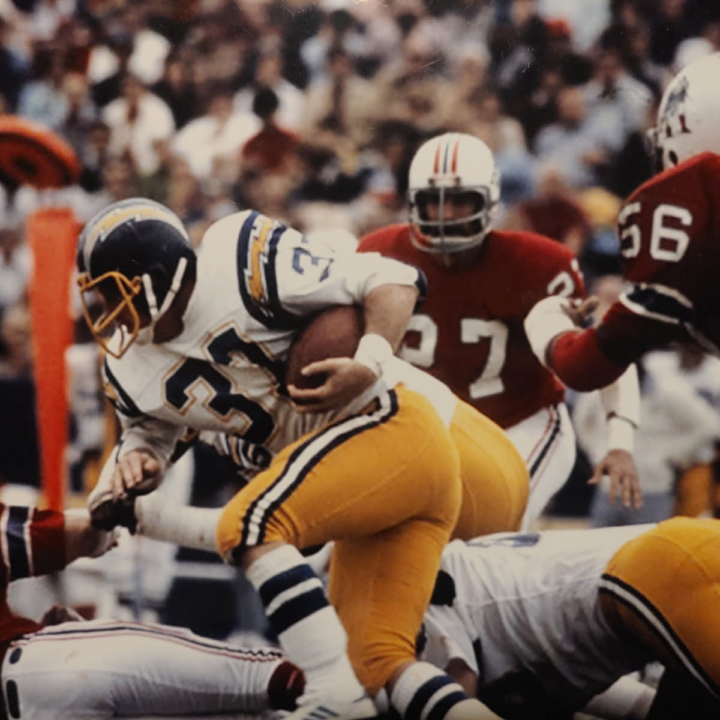
Former Running Back and Special Teamer Hank Bauer carved out a respected career defined by his leadership on and off the field. After 7 seasons, the Cal Lutheran graduate transitioned into coaching and later broadcasting. We caught up with Hank to reflect on his journey through football, life after the game, and the lasting importance of player support.
What inspired you to become a Player Rep?
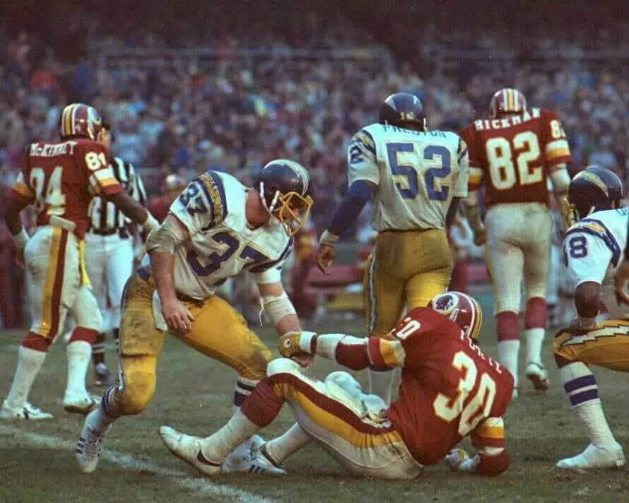
At the time, I was also a team captain, and I had earned the trust and respect of most of the guys in the locker room. I got along well with nearly everyone, which mattered because football teams are naturally very fragmented. When you’re playing, you’re separated by position groups. You meet, train, and spend most of your time with your own unit, defensive lineman with the d-lineman, safeties with safeties, etc. There just isn’t much time when the entire team is together, outside of places like the locker room, training room, or practice. One area where everyone truly came together was special teams. Players from every position group are involved, and I happened to be the captain of that unit. That gave me a unique opportunity to interact with guys across the entire roster. Because of that role, I was able to really communicate effectively, build relationships, and really get to know players from every position better than most people could. That ability and opportunity to connect with the whole team is what ultimately led me into player leadership and inspired me to take on the player representative role.
What lessons experiences did you take away as a leader?
One thing I did as a captain that I thought really worked was creating intentional opportunities for the team to connect. When I was on the Chargers, I went to our head coach at the time, Coach Don Coryell, and asked what we were doing with the team fine money. He told me it usually went to charity, and I suggested another idea.
I explained that after practice everyone goes their own way, to families, friends, their routines, and we were rarely together as a full group. So, I said that on Thursdays, after our last hard practice of the week, we would gather as a team at a local restaurant or bar. Friday was a walkthrough, Saturday was light, and Sunday was game day, so Thursday made sense.
Coach agreed and gave us the fine money to cover the tab. Sometimes it amounted to thousands of dollars. We made it clear that everyone was expected to show up, even if it was just to say hello. It wasn’t mandated by the team, we really policed it ourselves but it mattered. The single guys loved it and stayed out. Married guys loved it because it got them out of their normal routine. Most importantly, it allowed guys who would never interact like a Hall of Fame defensive lineman sitting next to our kicker, to actually talk and get to know each other outside the football environment. That never happened otherwise and it built a real family atmosphere, brought us closer together, and I truly believe it made us a better football team.
What is one piece of advice you wish you had gotten when you began your career?
I was actually pretty blessed in that regard because I had great mentorship early on. In college I played with Brian Kelly, who went on to play for 12 years with the New York Giants. Brian and I were rugby teammates and football teammates, he was a senior when I was a freshman, and he set a strong example for me. I also came from a small college program that produced some incredible football minds. Rod Marinelli was part of that group, and he later became an NFL head coach with the Lions and a longtime defensive coordinator. We also had coaches like Mike Sheppard, who spent 30 years in the league, and teammates who went on to have long NFL careers. For a small school, we had an exceptional group of mentors. The best advice I received from all of those guys and others was simple: until you make it, be seen and not heard. As a rookie, you need to shut up, work hard, study, and prioritize what matters. Football feels like the biggest and longest part of your life when you’re in it, but it’s actually a very short chapter. They taught me to take care of my body, get my rest, put in the work, and prepare the right way so that when my career ended, I could honestly say I left everything out there. That mindset served me throughout my career, and it’s still the best advice I’ve ever received.
What advice do you have for players that are transitioning out of the league?
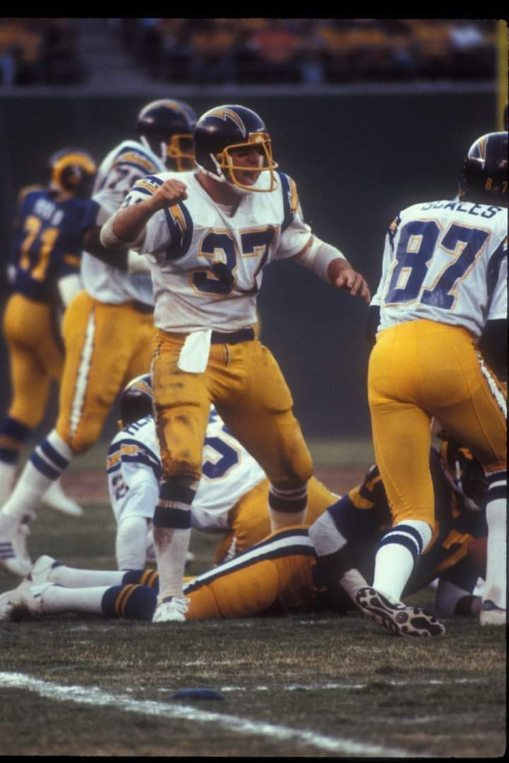
Do not expect to be treated the way you were when you were playing. Once you retire, you’re a rookie again, this time in life. Remember what it was like to be a rookie in the NFL? Be seen and not heard, work hard, and prove yourself. The same rules apply off of the field. It’s great that you were an NFL player. It’s a huge accomplishment, and it will always be an important part of your life. Hopefully you made some money, built resources, and gained valuable experiences. But it can’t be the biggest part of who you are anymore. That’s what I would tell guys transitioning out of the league. Be a good person, work hard, and don’t forget that you’re no better than anyone else. Just go out, do the work, and treat people the right way the same way everyone else has to.
What did you do after your career ended and what are you doing now?
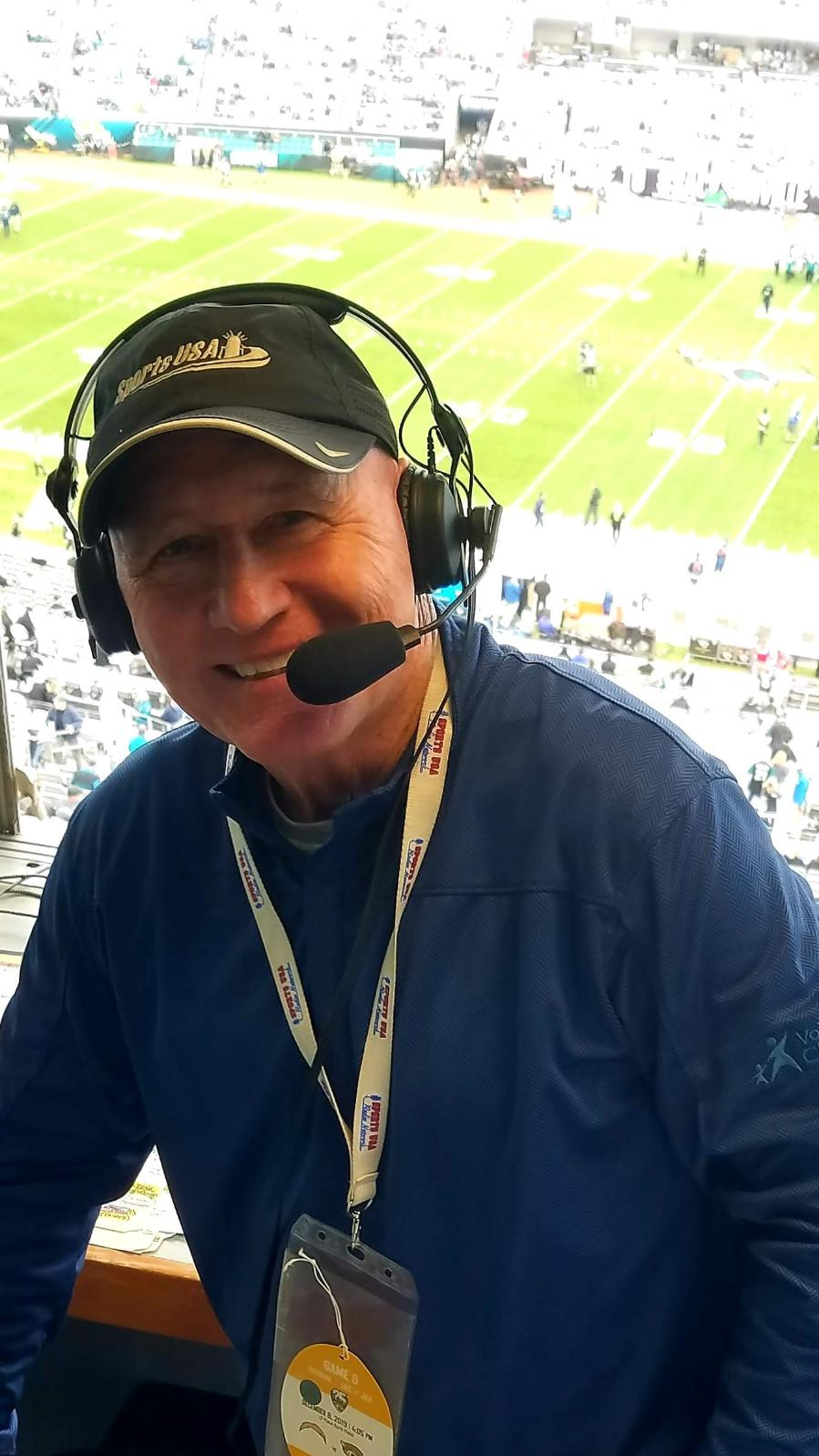
This was one of the biggest challenges of my life, but also a blessing in a lot of ways. The challenge was that I was at the height of my career when I broke my neck. I played seven games with a fractured vertebrae, and when it was over, my focus shifted from playing football to simply staying alive and making sure I wouldn’t end up in a wheelchair. I was fortunate that my coach asked me to join his staff. I went straight from the locker room, where I had been a team captain, to becoming an assistant coach. Once again, I was a rookie. I had to follow the same lessons I’ve talked about, keep my mouth shut, listen, learn, and work hard. I coached for four years and then transitioned into broadcasting, which I did for a long time. But even then, the lessons never changed. The same mindset that allowed me to play as long as I did; humility, discipline, and effort carried over into coaching and broadcasting as well. It’s really that simple: no one knows everything. You have to follow the rules, listen to your leaders, and work hard. The problem is that a lot of guys are so gifted that when they leave the game, they still feel entitled. They think because they’ve worked hard and accomplished so much, they’re owed something. The harsh truth is, nobody cares. Especially as time goes on, fewer and fewer people care. What matters is being a good human being, working hard, and doing the same things everyone else has to do. That’s how you move forward after football.
Why do you think that more players should be involved and be active with the Player Association?
We all negotiate our own contracts or have agents do it for us right? But no single player, no matter how great, is ever greater than the group. Nothing gets done without unity. The Players Association only works when players come together and work collectively with the owners. Notice I didn’t say negotiate against the owners. It’s about working with them to come to fair agreements. That kind of collaboration only happens when players are engaged and unified through the association. It’s been incredible for me. I strongly encourage all former players to get to know the NFLPA and not be afraid to call and explore the benefits that are available. I’m extremely thankful to the Players Association for all the programs that have been implemented and made accessible. If you need help, it’s there. Most guys are either misinformed, don’t know what’s available, or feel embarrassed about reaching out and asking for assistance. But there is so much support out there now. If you’ve got an issue, you can get help, just make the call. I’ve had to reach out to the NFLPA a couple of times myself for different things, and every experience has been fantastic.
What does the NFLPA Fraternity mean to you?
It’s the players. It’s not the logo or the organization itself, but it’s all of the players. Only players truly understand what another player goes through. They understand what it’s like to be tested, to retire, to deal with a career-ending or life-altering injury. Doctors can talk to you, coaches can talk to you, a lot of people can offer advice. But at the end of the day, only another player really knows what you’re feeling and what you’re going through. That shared understanding is what the NFLPA Fraternity means to me. It’s players supporting players in ways no one else can.