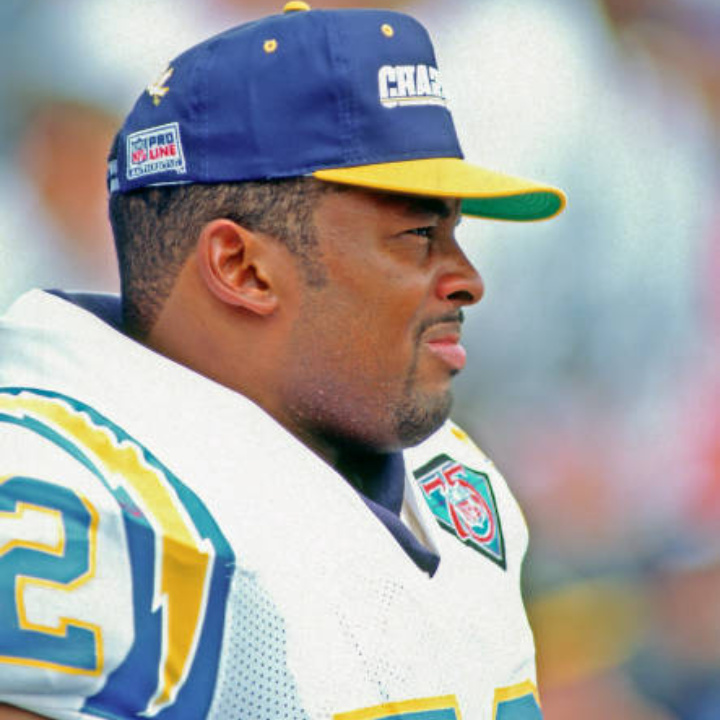
Catching Up with Former Player Rep: Harry Swayne
A graduate of Rutgers University, Harry Swayne enjoyed a 15-year career in the National Football League as an offensive tackle where he was a 3-time Super Bowl champion. He stayed attached to the game when his on-field career ended, serving as Chaplain for the Chicago Bears and working in Player Development with the Baltimore Ravens. We caught up with Harry and he gave us insight into his life during and after football.
What inspired you to become a Player Representative?
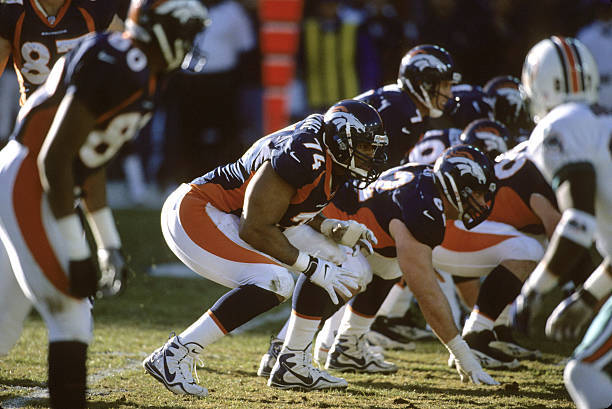
My rookie year was a strike year, and I was part of a team with a group of veteran players who were extremely organized and well-versed in the issues at the time. They operated as one unit and provided strong leadership. One of those leaders was Marvin Powell, who has since passed away. Their passion, at that time, stemmed largely from concerns about poor working conditions. We were in Tampa, Florida, and the facilities were temporary structures. When it rained, the buildings would leak, and we’d have to put towels in the corners of the meeting rooms to deal with the water. That experience really was the inspiration for me.
What were some lessons and experiences that you took away from your time as player leadership?
Probably the number one lesson I learned was that it wasn’t enough just to deliver information to the general player population, it was critical that they truly understood it. It’s one thing for them to read it or hear it, but it’s another for players to actually ingest, process, and fully conceptualize it.
As for experiences, one that stands out was an emergency player vote we had to conduct. At the time, the 401k plan was a new idea, and each team had to quickly gather players to vote thumbs up or thumbs down on a deal the union was negotiating with management. I had never led something like that before, so we had to bring everyone together quickly, explain the situation, and collect ballots. It turned out to be much easier than I expected. Many players didn’t fully understand the details, but it was a phenomenal deal. Honestly, a two-for-one type of arrangement that you don’t often see in labor negotiations today.
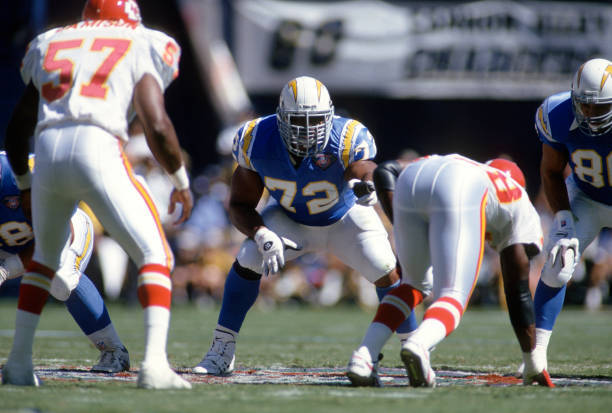
When it came to challenges in communicating information, I didn’t face many. During my time as a union representative with the San Diego Chargers, the team I spent most of my 15-year career with, we had strong leadership and a solid team environment. I also worked closely with my co-representative, Courtney Hall, and we shared responsibilities effectively. Overall, we had a very good working environment in San Diego.
What do you think is one piece of advice you wish you had gotten when you began your career?
One piece of advice I received as a rookie was to partner with veteran players. Don’t let competition deter you from building relationships, even with those you’re competing against. What I wish I had done differently, though, is continue that mindset after becoming a veteran myself. I should have remained intentional about partnering with others and that’s not just to improve as a player, but to grow as a person. There’s always something we can learn from one another.
What do you think is one piece of advice you have for players transitioning out of the league?
My biggest piece of advice is to start preparing early and do so consistently. Do not wait until your final contract. Begin planning two to four years in advance so you’re ready if your career ends sooner than expected, which it often does. When you prepare early it helps ensure you’re set up for success on your first day away from the game.
What did you do in your career after football?
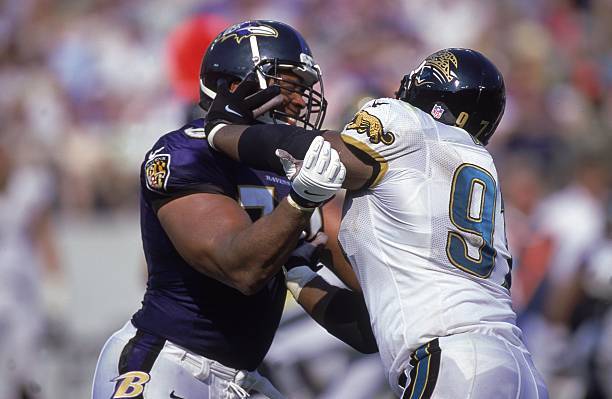
My last game was a playoff game in 2001. About three weeks later, I began training to become a missionary with Athletes in Action, a Christian organization. The training lasted 18 months, and afterward I was placed as the chaplain for the Chicago Bears. I had actually planned for that transition a couple of years in advance. By the time I finished the program, it felt like a natural next step. I loved it, it was an incredible experience and a meaningful first role after leaving the league. The best part of being a chaplain was helping shift the perspective of non-football staff on what workplace ministry looks like. The players and coaches were already familiar with the role as most NFL teams have a chaplain but people in HR, administrative staff, and other non-football roles weren’t as aware of it. In many ways, I was responsible for supporting everyone in the building, not just the players, which made the role especially fulfilling.
Why do you think that more players should be involved and be active with the Players Association?
There’s just a plethora of benefits that come with being a player in the NFL that the Player’s Association has at our disposal to use. And it’s not just about present benefits, getting involved with the union advocates for the future benefits and perspectives of future players.
What does the NFLPA Fraternity mean to you?
It means everything. Not a week goes by that I don’t talk to a former player. Here in the Baltimore Chapter, everyone knew when I was getting my hip replacement a couple weeks ago and they all reached out calling to check on me and see how I was doing. It means everything that the brotherhood is real, and it originally was surprising that it did not matter whether we were in the same locker room or not.