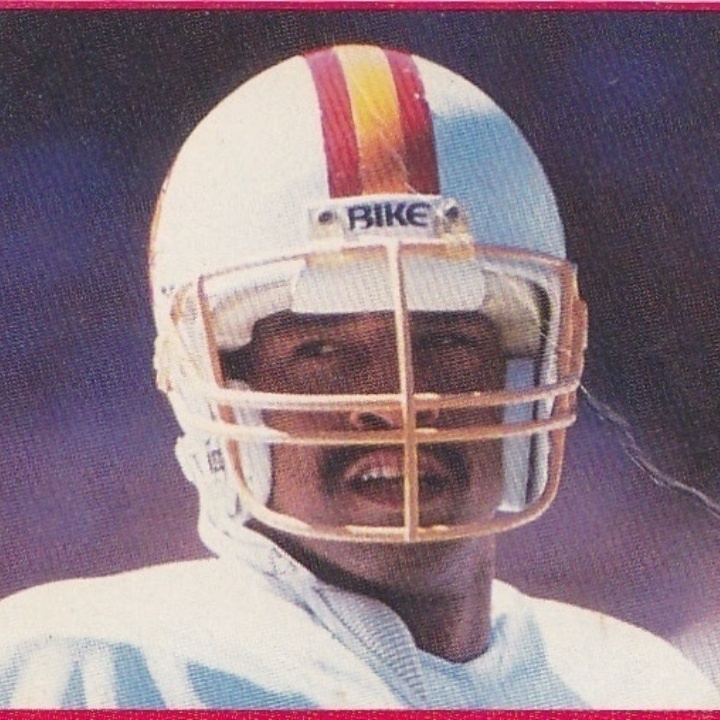
Catching Up with Former Player Rep: Jerry Bell
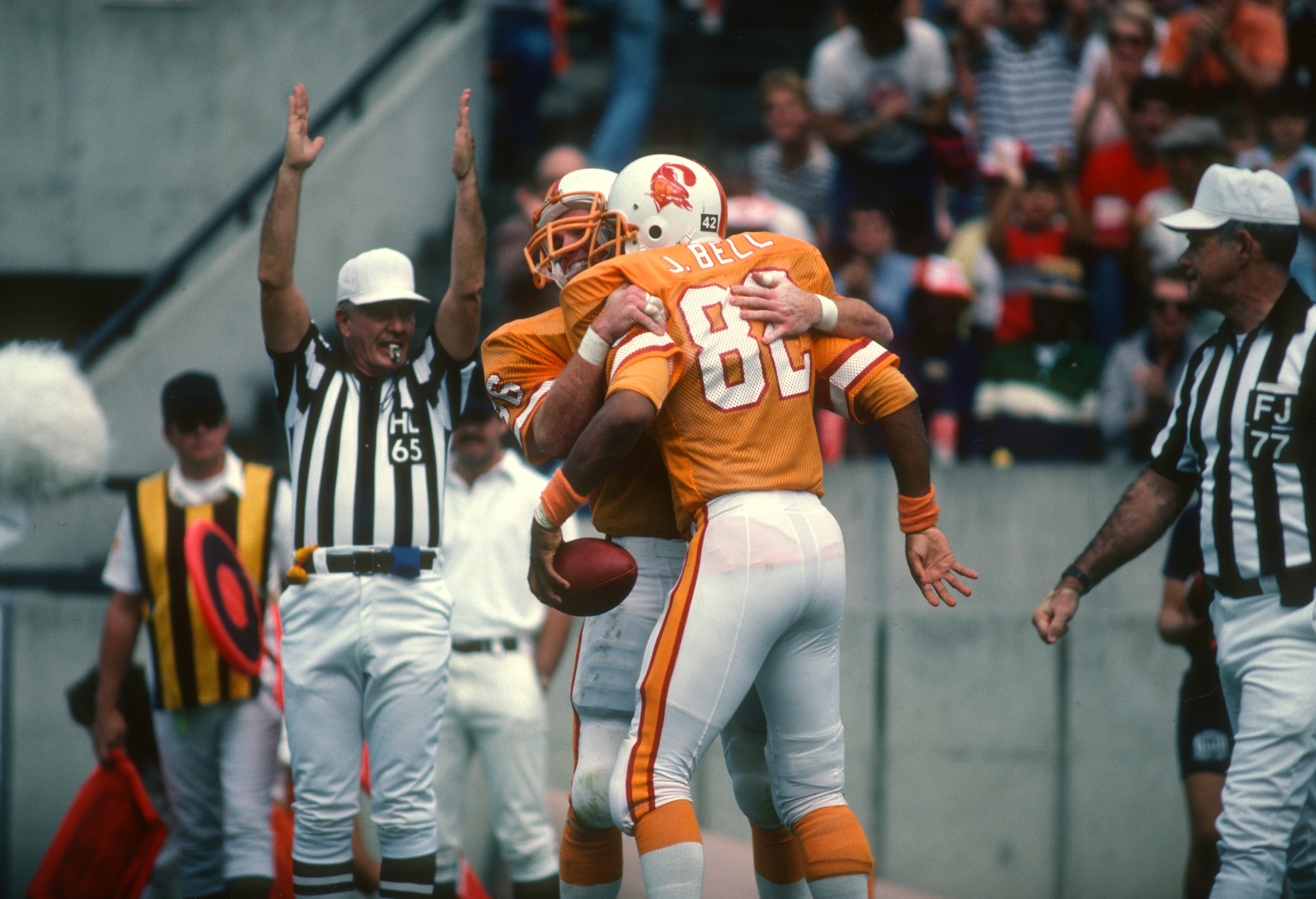
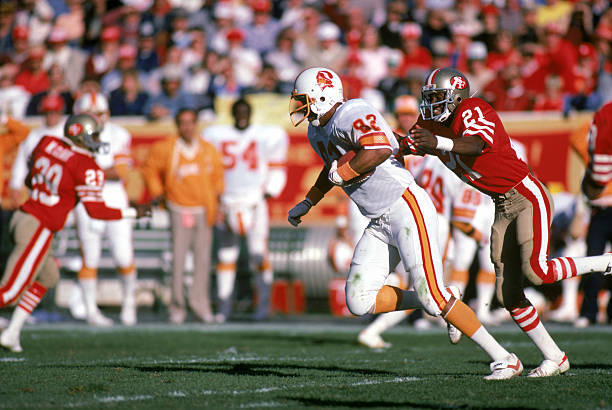
Jerry Bell is a former NFL tight end who spent five seasons with the Tampa Bay Buccaneers, making his mark as a reliable presence on the field and leader in the locker room. A proud Arizona State alum and Bay Area, California native, Bell has continued to lead off the field as President of the Tampa Bay Former Player chapter. After his playing days, he transitioned into a successful career in information technology sales, leveraging his degree in computer information systems to thrive in the business world. We caught up with Jerry to learn more about his journey from the gridiron to the tech industry and the lessons he’s carried along the way.
What inspired you to become a player representative?
Back when I was a Player Rep, it started in 1984. It was in my third year, and it was a really difficult time because we had just come off of a strike two years earlier and to be a Player Rep was kind of detrimental to your career. Some of the senior players asked me if I would do this and they explained to me that they thought that I was equipped and just a good fit to represent them as the players. So, it was their faith in me and their confidence in me that they thought that I could handle this and do a great job at it. When that happened, I thought that's kind of a good sign, your team has that faith in you. So, I decided that I could do this, and I could help a lot of guys in the league. Basically, what inspired me was their confidence in me.
What lessons and experiences did you take away from being a Player Rep?
I learned a big lesson on leadership. Anytime you get a bunch of guys, whether they're teammates, whether they're in business or whatever field, you must try to accomplish one thing that's best for everyone involved. You need good leadership, not just good local leadership, good regional, good national leadership. It is not a want but a requirement to be successful in all facets.
What is one piece of advice you wish had got when you had started your career?
I wish I would’ve been told or knew a better way of taking care of my body. In those days when you got a concussion, you went back in the next series. When you got hurt, there was no sitting out games or anything like that. We had guys that used chiropractic, they used massage therapy, stretching, the things that they do today. And I think probably we didn't do it because we didn't know to use it. And from the guys that I've seen and some of the things that I go through, I think they probably could have been eased a little bit if we knew how to take care of our bodies a little bit better.
What is one piece of advice you have for players who are transitioning out of the league?
Hands down, is taking advantage of every benefit and every service that's available through the NFL Players Association. You're a former player, you've earned these rights, you've earned these benefits, and they are set in place to take care of you. Whether it be health, financial, spiritual, going back to school, helping you with transitioning from professional jobs and things of that nature, and more. These benefits are put into place to help you ease yourself from the transition. You've earned it out there. You collective bargained for it. Take advantage of it.
Why do you think more players should be involved and be active with the Players Association?
Obviously, knowledge is the key here when it comes to not just knowing about these services. You may know about them and never use them, right? Being knowledgeable about these services, being knowledgeable and in touch with former players as you have access to these resources. More players should be learning and knowledgeable about all the benefits that they have because it’s your right. It pays off in the long run from the day that you retire to the day that you die, you've got benefits. And it's a shame that you have benefits, and you don't use them, especially if you're struggling. We as a group of guys have this camaraderie and we were teammates, we were adversaries, we were opponents, but at the end of the day when we retire, we all have something in common as a former player and a former bond. We share with each other all these benefits that are available. So, when we see another brother struggling, we kind of let them know, you can do this, you can take advantage of that. The league office will do this. The players’ assistance fund will do this. The Trust has this. We've got so many different things that it's pretty much anything that you can go through, the Players Association can help you with.
What are you doing now in your career?
I attended Arizona State University, and I got a degree in computer information systems. I put that to work and when I was done playing, I went to work at IBM and I've been on the sales side of information technology for over 35 years, and now I'm a consultant. My father was a computer operator, and he used to take us when we were kids to just go into the office with him and we'd work on computers. And that was a long time ago. They had computer paper, computer cards, and things of that nature. And I got to school, and I thought about being a business major in computer science and started that route and just continued. It was a field that was really in the infant stage. If you wanted a career or a job in that, this was just the start. I saw the potential in it, got the degree in it, and just decided to put that to work after playing football because at 27-28 when I was done, I had a whole lot of years of work ahead of me.

How do you feel that the lessons you learned playing football apply to your career and now?
Biggest lessons are discipline and hard work. I think one of the most important things is bouncing back after a negative event. You play in a football game; you have 60 plays. You're going to get beat once in a while. You're going to drop a pass. You're going to do something that's negative. But you have to walk back in that huddle and then come out the next play as though that never happened. And in the business world, I’m on the sales side, you go out there, and you have a big sale that you lose. But that doesn't mean you quit, that doesn't mean you stop. I've learned that throughout the ups and downs of things that you have to keep pushing forward, and the discipline to work through some of that. There were times football wise where you'd look and you'd say, “you know, why am I doing this?”. And you feel like quitting, but you never did. And it was that internal strength that you get from that process that kind of works with you in the business world and in life afterwards too.
What does the NFLPA Fraternity mean to you?
I’ve gone into the working world, I've contributed and worked in the community, my people that know me will tell you that when I'm at an NFLPA event, I seem to be a different person. I'm happier. I'm smiling. I cheer up I think because I get around my guys. We were teammates, we played against each other, but we all had something in common that we went through the bond of playing in the NFL. And then when it's all said and done, all this playing against each other and trying to beat each other, we end up becoming good friends. We share a great time, and it's a camaraderie where I don't know how it can be replaced. I went into the work world, and it was “well, this isn't like playing football”, but nothing is. It's a great bond. It's something that I've always loved to be a part of and will always love to be a part of. If you ever shown up at an NFLPA meeting, you'll see what I'm talking about. It's not just in my eyes, but it's in everybody's. So, it's a bond for me and it's a great experience. My wife asks me sometimes, am I going to wear that shirt again? She’s talking about the NFLPA shirt I wear all the time because I'm proud to be a part of it.