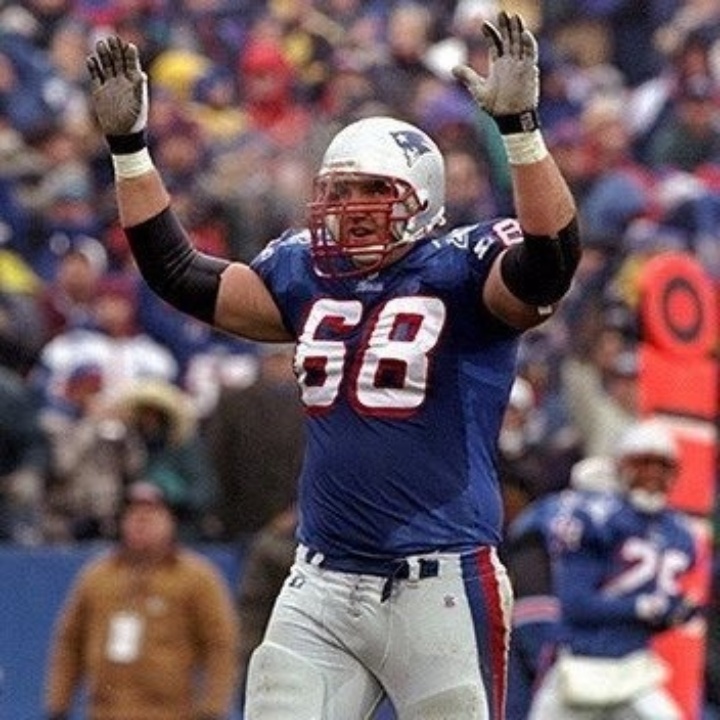
Catching Up with Former Player Rep: Max Lane
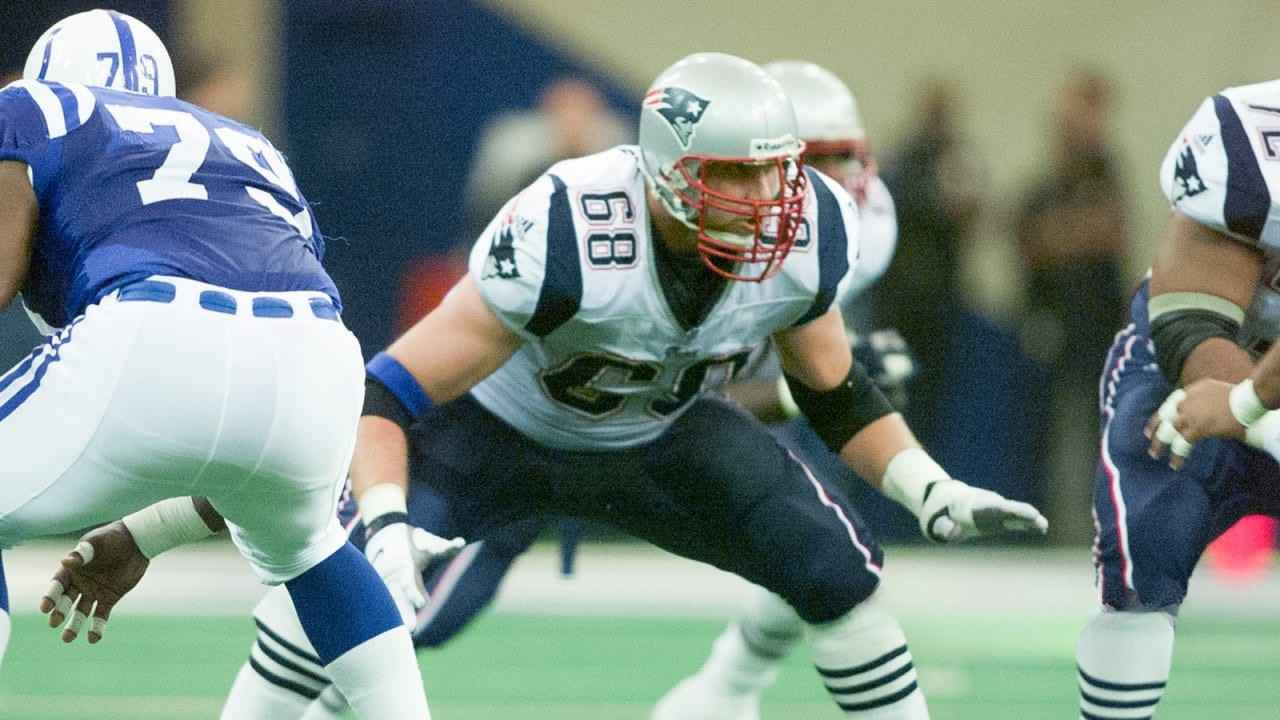
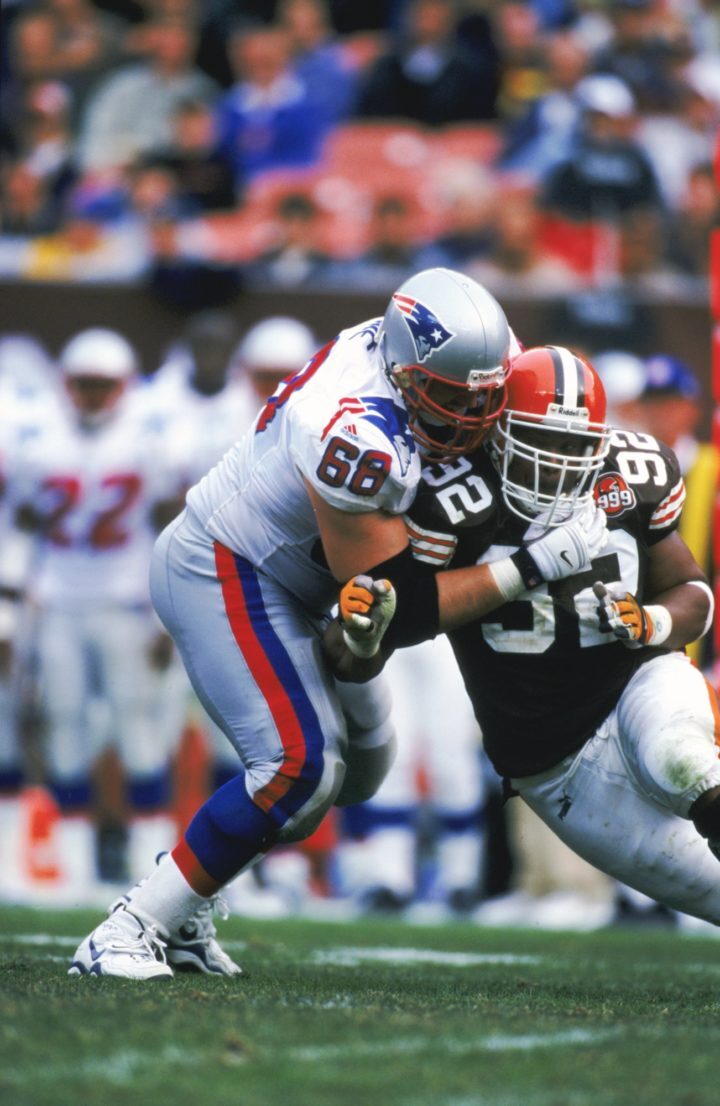
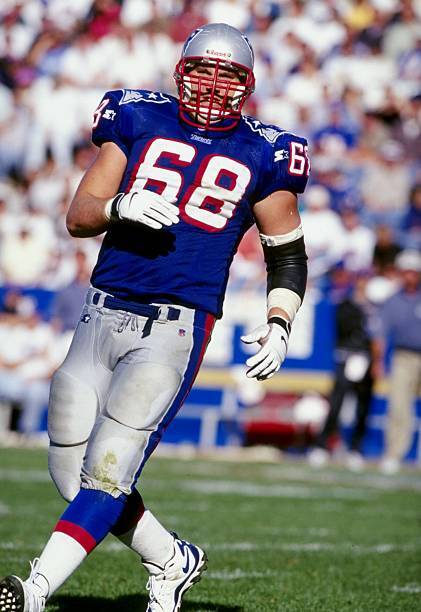
A former NFL offensive lineman, Max Lane was drafted in the 6th round of the 1994 NFL Draft by the New England Patriots out of the US Naval Academy. As a versatile lineman playing both guard and tackle, Max went on to play 8 season in the NFL, appearing in 100 games in his career. We caught up with Max and he gave us some insight into life after football.
What inspired you to become a Player Rep?
A lot of it came from the veterans who were ahead of me. I remember my rookie year, there was a guy named Steve DeOssie who had already been in the league for about 10 or 11 years. He had been a rep and kind of became like a big brother to me. He explained things I didn’t really understand at the time, like the importance of maxing out your 401(k), and he was always advocating for what the union was doing. Seeing how committed he was made me interested in getting involved someday.
As a young player though, I was mostly focused on surviving. I was just trying to make the team. But as my career developed and the game started to slow down for me, I felt like I had more control, and that’s when I really became interested in getting involved with the union and player representation.
Unfortunately, the year I became a rep, I broke my leg, and that injury ended up being a career-ender. I still managed to go to meetings, and I had always been a big supporter of the union even before I officially became a rep, but I didn’t get the chance to be as involved as I wanted to be.
What lessons and experiences did you take away from your time in player leadership?
The biggest lesson I learned is that you have to help the younger guys. Back when I played, a lot of rookies didn’t want to put money into their 401(k) because they didn’t want to part with that $10,000. I’d try to explain to them that it was a great deal and that they were basically doubling their money right away with the one‑to‑one match. And when it eventually became a two‑to‑one match, it was an even bigger no‑brainer.
Beyond that, I was always really concerned about benefits for retired players. Some of the veterans ahead of me would remind us that every single one of us is a future retired player. You have to set things up for who you’re going to be later, not just who you are now. But depending on where guys were in their careers, some of them acted like they were going to play forever. Part of the job was helping them understand that this doesn’t last forever and that we needed to take care of the players who came before us, as well as ourselves down the road.
Overall, the biggest takeaway for me was awareness. Thinking beyond yourself and looking out for the whole group. Getting involved with the union really shifted my perspective from focusing on just my own situation to understanding the bigger picture and helping everyone.
What is one piece of advice you have for players who are transitioning out of the league?
When you’re transitioning out of the league, the first thing I’d say is to get rid of all your debt. From a financial standpoint, that’s something I wish I had actually followed myself. One of the older guys told me, “Sell your house, pay off everything, and simplify your lifestyle.” And I think that’s really important, because when you leave the league, you’re coming out of a kind of fantasy world. Once you get back to reality, you must understand that it’s never going to be like that again unless you set yourself up with other opportunities or businesses after playing. So I always tell guys to look at their balance sheet and streamline everything. Bring your expenses down and make your financial life as stable as possible. The second thing is to take advantage of all the resources the union offers. I hadn’t finished my degree when I retired, so I used The Trust to go back to school. I didn’t do it right away, but eventually I went back and completed my degree. There are a lot of programs out there, please tap into them and see what’s available for you. I went to a local school up here called Salem State. At that point, it was really personal for me. My dad had just passed away, and I was the youngest of five. His lifelong goal was for all five of us to graduate from college, and I was the only one who hadn’t finished. So I went back, started taking classes, and earned my finance degree.
What is one piece of advice you wish you had gotten when you had started your career?
Looking back, I think the biggest thing is that I wish someone had helped me think beyond the fear of getting cut. My whole rookie year, I was scared I was going to get released every single day. Because of that mindset, I played everything extremely safely. I was renting a condo at the time, and honestly, I wish I had bought it. If someone had encouraged me to talk to a financial planner or a life planner, I could have started making decisions for my future instead of only reacting to the moment. Buying that condo would have taught me about home ownership with a lot less risk, and it would have forced me to learn budgeting and financial planning early, when my salary was smaller and the stakes were lower.
Later in my career, once I signed a good contract, I was able to buy things without really thinking too much about budgeting. But if I had taken that step early on, I would’ve built those habits from the start. So, my advice would be if you’re renting and worried about getting cut every day, talk to someone who can help you plan long‑term. Make decisions that set you up for the future, not just for the moment you’re at.
What are you doing now in your career?
I’m the offensive line coach at a private high school up in New Hampshire, and I have a couple of small entrepreneurial projects that I dabble in on the side.
How do you feel the lessons you learned playing football have applied to your career since you retired from the game?
I think life in general has ups and downs, no matter what you’re doing. It’s similar to football in that aspect. When I played, there were good days and bad days, whether it was on the practice field or in my personal life. You learn that you can’t give up. Life isn’t always going to meet you halfway sometimes it knocks you down. I’ve gone through things like divorce, and other challenges, and the lessons I learned on the field and from being part of a team have helped carry me through those valleys. The resilience, the teamwork, the ability to push through tough moments, those things stay with you long after you stop playing.
Why do you think more players should be involved than be active with the Players Association?
The more players who get involved, the more positive outcomes we can create both for guys who are currently playing and for those who are retired. A big part of it is simply staying aware of the issues being discussed each year between the league and the union, whether it's player safety, collective bargaining, or any of the other major topics that affect us all.
What does the NFLPA fraternity mean to you?
To me, there's no comparable feeling to the one you get when you see another guy who played, even if you weren’t teammates. Of course, there’s a special bond with the guys you played with on your own team, but there’s also this immediate connection with anyone who’s been through the league. I haven’t been to one of the Summer Getaways in a while, but even at things like the regional health screenings in Boston, I’ll run into players I didn’t play with, or guys who played before or after me. There’s this natural camaraderie because you share experiences that most people on the street just don’t understand. That shared understanding is a beautiful thing.