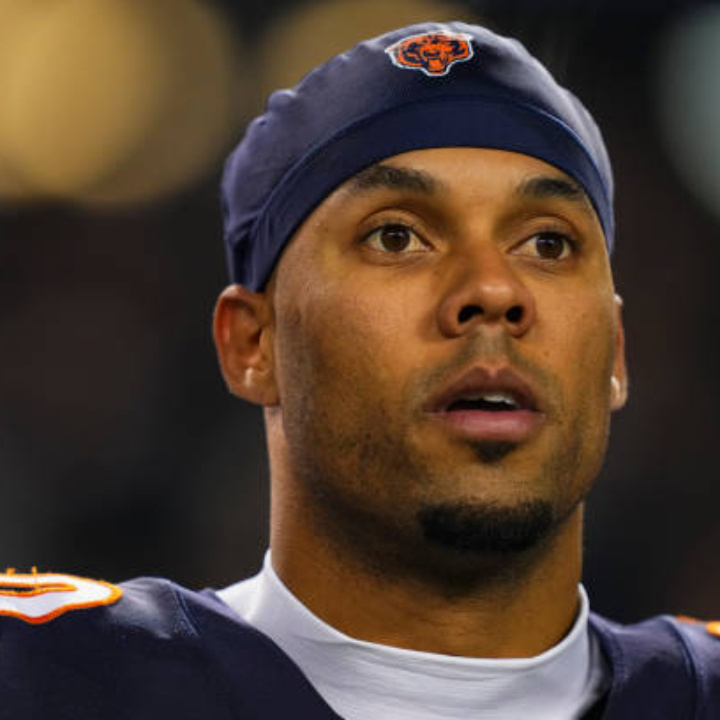
Catching Up with Former Player Rep: Collin Johnson
Collin Johnson is a former NFL Wide Receiver and NFLPA Player Rep. Following his career in the league, Collin chose to pursue an MBA at MIT while also launching "Founders Academy" in partnership with the school. We caught up with Collin and he gave us insight into his life during and after football.
What inspired you to become a Player Representative?
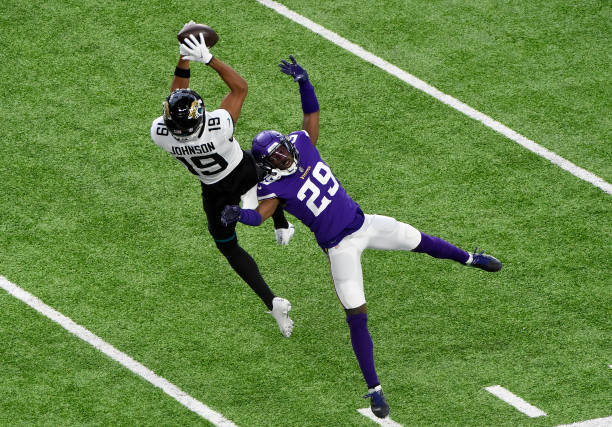
My journey into becoming a player rep really started after I tore my Achilles. That moment made me realize the NFL doesn’t last forever, and I needed to understand everything available to me as a player. I dove deep into educating myself on our benefits so I could maximize my experience in the league. As I learned more, I naturally started sharing that information with guys in the locker room, and that leadership kind of organically grew. A teammate nominated me, and I ended up getting voted in. Becoming a player rep has been one of the best experiences of my life.
How have you applied the lessons you learned during your playing career to your life and work after football?
Football taught me that I can accomplish anything I put my mind to. Becoming part of the .001% who make it to the NFL gives you confidence that carries into every part of life — whether it’s applying to MBA programs, building a company, or navigating personal challenges. The traits we sharpen in football — discipline, resilience, teamwork — translate directly to life after the game. There’s no challenge too big. I’ve already proven to myself that I can overcome the impossible.
How would you describe your own transition to post-football life? Did you feel prepared at the time?
Even with all the incredible benefits the NFLPA provides — the Trust, tuition assistance, immersive programs — I think most players still face a deeper identity shift when football ends. For me, the transition was tough. I leaned heavily on mentorship and sought out people who were already where I wanted to be. What helped most was understanding that transition isn’t a single moment. It’s a process. Being patient with myself and recognizing that it takes time made a huge difference.
What advice would you give to players transitioning out of football?
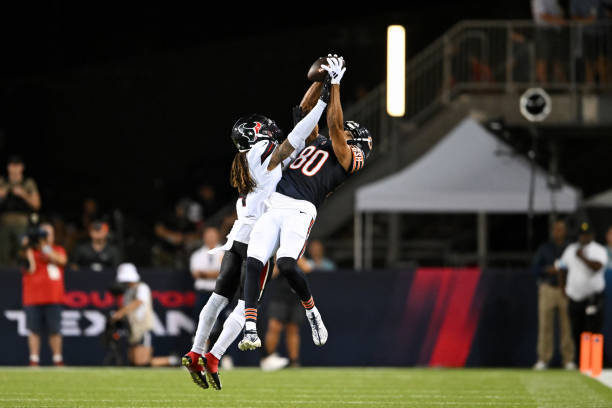
You’d be surprised how far a little effort can go. My advice is to do one thing every offseason that expands your perspective or builds your knowledge. Go to an NFLPA summit, attend an immersive program, explore something you’re curious about. You can still be fully committed to training — just fit in one thing. Those small steps compound over time and make you much more prepared when your career eventually ends. Whether you play one year or twenty, we all have an end date. Being proactive is a superpower.
Looking back, what experiences or lessons from being a player rep have stuck with you the most, and why?
One offseason, I actually read the entire Collective Bargaining Agreement (CBA)— which I don’t recommend — but it gave me a deep understanding of our benefits. Bringing that knowledge to life for teammates and seeing their faces light up when they realized what was available to them was incredibly fulfilling.
A great example is the Founders Academy at MIT, a venture-building program approved for tuition reimbursement. A lot of athletes didn’t know how the reimbursement process worked, so I walked them through it step-by-step — who to email, how to submit, what qualifies. Hearing guys say, “I didn’t even know this existed — thank you,” made it all worth it. Applying knowledge and seeing the direct impact on a teammate is the most rewarding part of being a rep.
What are you currently doing in your career, and how did you find your way into that path?
My whole path started with one NFLPA summit I attended back in 2023. That exposure led me to a Harvard Business School case discussion, which inspired me to apply to Harvard’s Business of Entertainment, Media, and Sports program. Getting into that program changed my life and gave me the confidence to apply to business school. I’m now pursuing my MBA at MIT Sloan.
I’m also extremely passionate about maximizing the NFLPA’s tuition assistance plan and Trust scholarship for athletes. That passion led to building Founders Academy at MIT — a first-of-its-kind venture-building program tailored specifically to athletes. We pair each athlete with an MIT student and an industry mentor to help bring their business idea to life, all funded through existing NFLPA benefits. Seeing athletes walk away with real ventures has been incredible.
Why should more players look to get involved and active within the NFLPA?
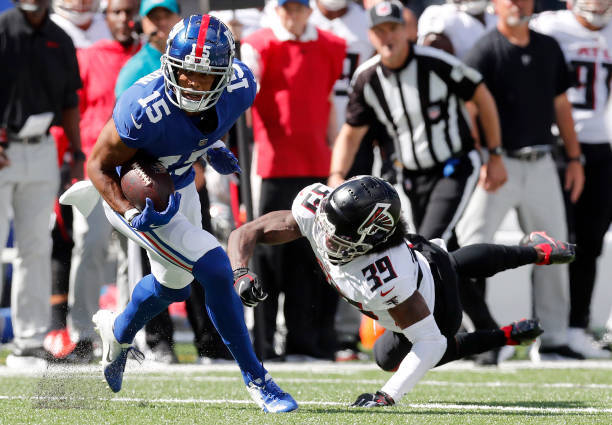
The strength of the union comes from the players. If you want to see change, the best way is to get involved and be on the front lines. Being a player rep also adds real work experience to your résumé — something employers and admissions committees value. I genuinely believe it gave me an advantage in my MBA applications and helped strengthen my narrative. It’s been one of the most fulfilling experiences of my life.
There are also so many leadership opportunities beyond being a rep — the Executive Committee, the Finance Committee, the Card Committee, the Committee of Agent Regulation and Discipline. Getting involved opens doors you might not even know exist.
What does the NFLPA Fraternity mean to you?
To me, it means family — and family doesn’t turn its back on each other. I try to stay involved and help athletes however I can, whether they’re current players or former players navigating their next steps. Guys reach out to me all the time about MBA applications or career advice, and I always respond. If any NFL athlete wants advice or thinks my perspective could be valuable, I want them to reach out — I’ll get back to them 100%. Giving back is something I’m passionate about.
Being a player rep also opened doors to other leadership opportunities. I’m currently serving on the Committee of Agent Regulation and Discipline (CARD), which has been an honor and another way to provide value to the union. At the end of the day, we’re a fraternity — and family helps family.