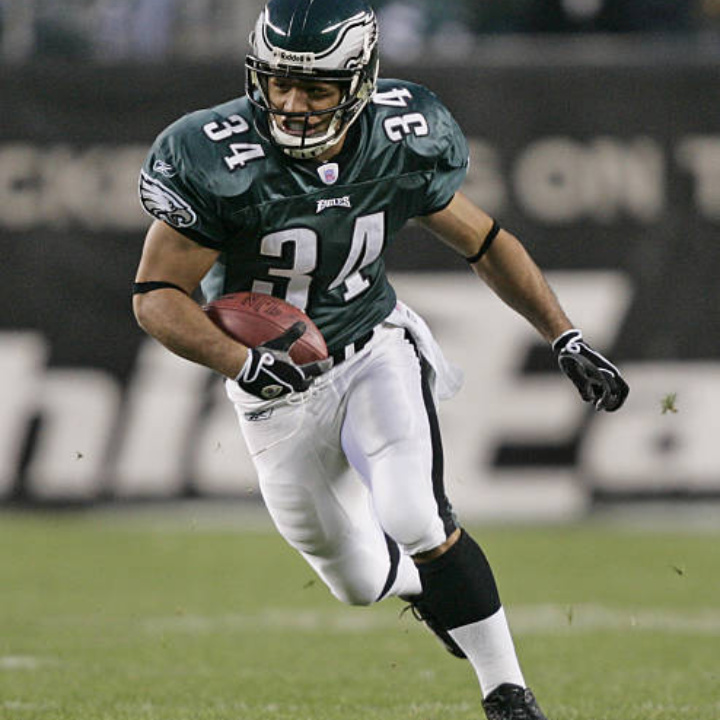
Catching Up with Former Player Rep: Reno Mahe
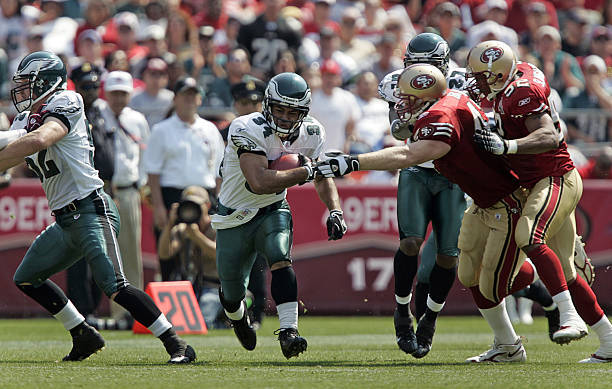
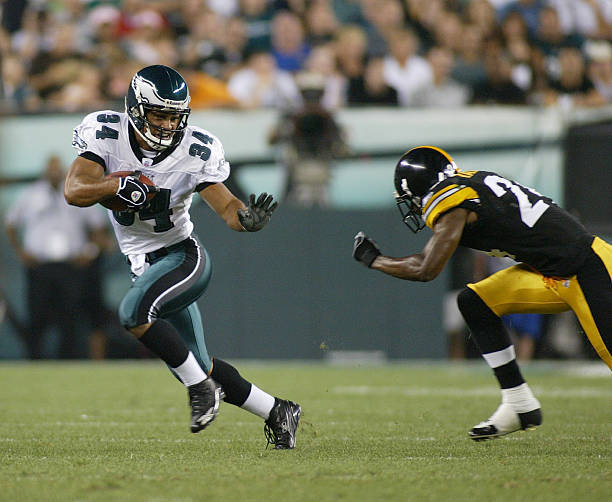
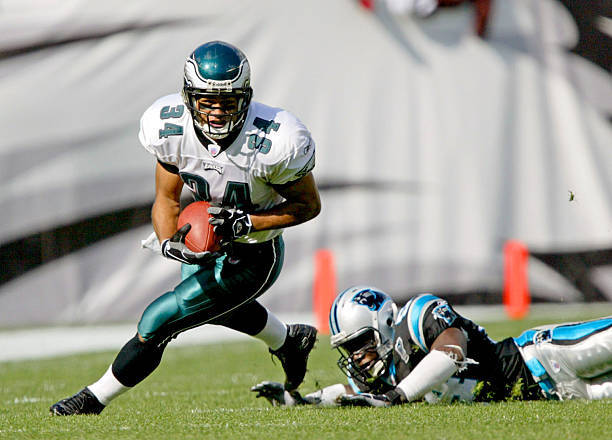
Reno Mahe was a standout Running Back and Wide Receiver for the BYU Cougars before carving out his role with the Philadelphia Eagles. During his time in the league, Mahe was also an NFLPA Player Rep, serving as a voice for those around him. We caught up with Reno and he gave us insight into his life during and after football.
What inspired you to become a Player Rep?
It was a unique situation for me. I was what they call a “bubble player,” always waiting with my wife in a hotel to see if I was going to make the team or not. Every couple of years when the NFLPA came around and we’d vote on reps, I started getting really intrigued by what that actually meant. After a while, I made up my mind. I knew enough of the guys on the team, and I felt like they’d trust me to go learn the information and bring it back to them. That’s really what inspired me to step into the role.
What experiences or lessons from being a Player Rep have stuck with you the most, and why?
There’s definitely a balancing act between being a current player and working on behalf of former players. One of the biggest things that stuck with me is realizing how many benefits current players agree to that help former players.
Out here in Utah, we created a chapter and we try to get guys to come out, get information, and take advantage of what’s available.
I told one former player about the Trust’s Brain and Body Assessment, and he went in and they found a tumor in his head. He got it removed, and it didn’t cost him anything. Stuff like that makes it all worth it. These programs can literally save lives if guys just use them.
How would you describe your own transition to post-football life? Did you feel prepared at the time?
No, I wasn’t ready at all. Not at all. The world ate me up after leaving football. I went through bankruptcy and a lot of challenges. People hear about former athletes going through stuff like that—I lived it.
But at the end of the day, those were choices I made. I didn’t educate myself enough on investments and different situations I put myself into. I don’t play the victim. I don’t like the victim mentality. I take every challenge as a learning experience. I’m 46 now, I’ve got ten kids and a grandkid, and I feel blessed to have gone through those challenges. But to say I was prepared? Heck no. You think football is hard—at least in football you know who your opponents are. In the real world, there’s no scouting report. There are crooked people, but there are also a lot of great people. You just hope you find the good ones and surround yourself with them.
Today, we’re good. Family’s good. All is well. But there will always be challenges ahead, and you just deal with them as they come.
What advice would you give to players transitioning out of football?
Just remember what got you to the NFL. Getting to the league takes so much work, and you develop so many habits to get there. Once you leave football, you’re in Little League again in everything else you do.
You’ve got to put in the same work, the same energy, and be patient while you become a professional at something new. A lot of times, we get put on a pedestal in football and think we’re pros in everything else too. Heck no.
Stay humble, work hard, and keep doing what got you to where you’re at.
What are you currently doing in your career, and how did you find your way into that path?
I’m more of a serial investor now. I’m involved in tons of different companies as a silent investor. And I coach girls’ high school basketball.
I’ve also been involved with the Polynesian Bowl since day one. I’m inducted in it, but I’ve been on the board since it started. We literally began in a yellow school bus in American Samoa. Jesse Sapolu and Mahu Tanavasa brought me along from the beginning, and it’s been awesome to see how much it’s grown.
Why should more players be involved and active within the NFLPA?
There are so many benefits available. It’s just an added resource to help us in life after football. I think it’s super silly that people aren’t using it. The NFLPA is there to support us—players should take advantage of that.
What does the NFLPA Fraternity mean to you?
It means a lot. Every time you go to these events and see the guys you were in the trenches with, there’s nothing like that. I have my wife and kids, my brothers and sisters—that’s one family. But the NFLPA gives us another family to reconnect with.
Even though we only meet once a quarter here in Utah, I always look forward to it. Guys are busy, everyone has things going on, but when we come together, it’s special. When you’ve done hard things together, you celebrate the good times when you see each other again.
Everyone craves community, and the NFLPA gives us that after football.