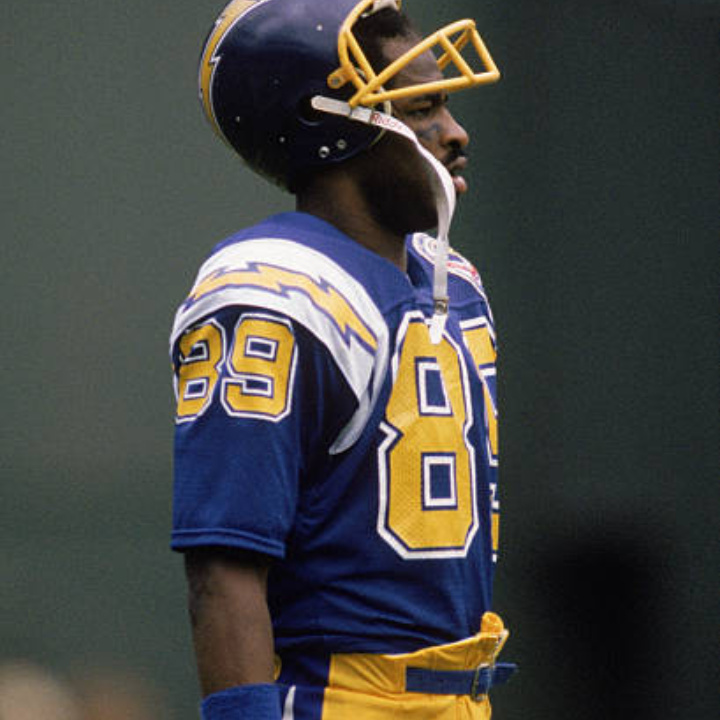
Catching Up with Former Player Rep: Wes Chandler
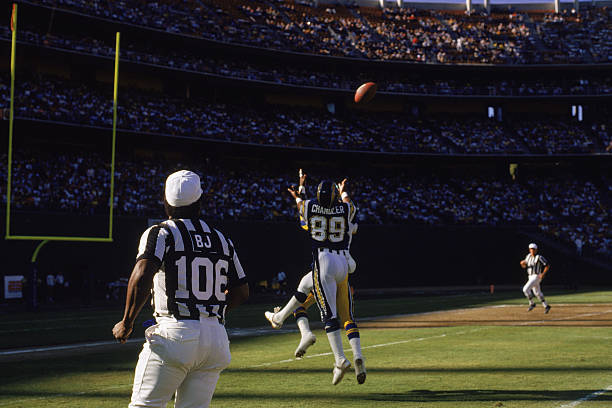
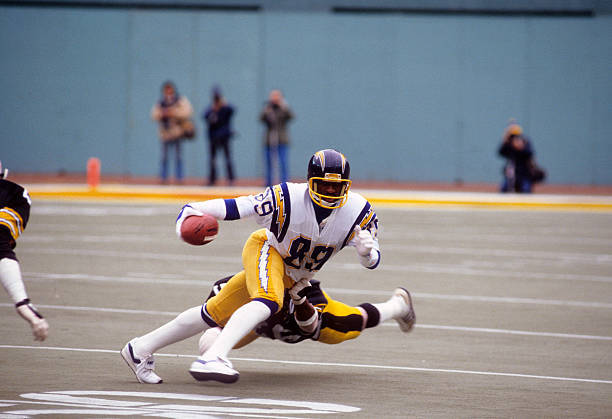
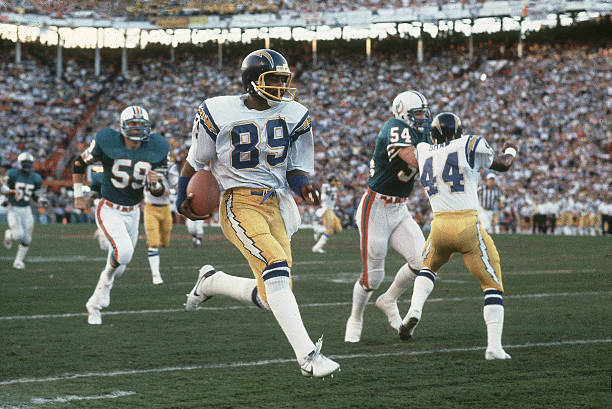
Wes Chandler is a former NFL Receiver who played 11 seasons primarily with the San Diego Chargers. The 3rd overall pick in the 1978 NFL Draft was a two-time All American while at the University of Florida and member of the College Football Hall of Fame. After retiring he spent two decades coaching across the NFL, WLAF, NCAA, UFL, and NFL Europe. We caught up with Wes and he gave us insight into his life during and after football.
What inspired you to become a Player Representative?
I was almost cast into the role. When I came into the league in the late 1970s, players from all 28 teams were trying to represent their clubs and fight for a better future. There was a lot going on at the time. Ed Garvey was the executive director, and some players had issues with him, which created a trickle-down effect across the union. When Gene Upshaw stepped in with his staff, the focus shifted to getting things back on track and advancing the union toward better circumstances for players moving forward. One of the biggest challenges was that players were afraid to serve as player representatives. There was a real concern that teams might cut you if you took on that role and spoke up for the players. On top of that, the collective bargaining agreement wasn’t structured the way it is today. It didn’t align with the television contracts, which created a natural imbalance. Ownership could negotiate and benefit from TV revenue separately, leaving players at a disadvantage.
We realized we needed to fix that and align the CBA with the TV contracts so we could negotiate fairly at the table. Around that time, I was traded from New Orleans to San Diego. I had a no-cut, no-trade clause in my contract, which put me in a unique position. Management couldn’t easily move me, so I became a logical choice to step into a leadership role. I also benefited from having an agent and attorney who had experience on both sides with ownership and teams, so I came into the league with a strong understanding of long-term financial planning. Back then, the average career was around two years. You came into the league at about 22 years old, and if you were lucky to play a couple of seasons, you’d be done by 24. There was no early entry into the draft, everyone had to complete four years of college. Retirement benefits were minimal. You might qualify for early retirement at 45, but it wasn’t substantial, and full retirement at 55 didn’t provide much either. At the time, we were even told the average life expectancy for football players was around 57, which added another layer of concern. Many players had to work offseason jobs just to make ends meet. Retirement pay could be as low as $400 to $800 per year, and benefits were extremely limited. It simply wasn’t sustainable for professional athletes, especially compared to other major sports.
All of this reinforced the importance of thinking about the future. I tried to get players to consider what their lives would look like at 55 or 60, both financially and in terms of health. Eventually, we realized that real change would require major action. We needed to decertify as a union and be willing to strike to secure rights like free agency and fair market value for players. I even traveled to Washington, D.C., to testify before the National Labor Relations Board against the NFL for antitrust violations. At the time, players didn’t have true freedom of movement. If I wanted to leave San Diego and play for my hometown team in Tampa, I couldn’t do so without compensation being exchanged between teams. Owners operated under a gentleman’s agreement, sharing revenue and avoiding direct competition, which made it nearly impossible for players to gain leverage.
All of this made it difficult for players to step into leadership roles. Many were worried about being cut or losing income, especially with families to support. My situation was different, which allowed me to step up. I became a player representative and eventually served on the seven-member executive committee.
What is the lessons and experiences you took away from your time in player leadership?
One of the main things I took away from my experience is that player education has always been a challenge, and it still is today. Even now, many players don’t fully understand the benefits available to them, such as healthcare plans and other resources. You can imagine how much more difficult it was back then. Players were focused on simply trying to make ends meet. It wasn’t that they didn’t care, it was that they needed money in the moment, not information about long-term benefits. The league understood that and used it to their advantage by offering what was essentially “money now,” especially during strike situations, to persuade players to cross the line. I personally struggled with this during my time with the team. When I signed in 1978, my contract included a no-cut clause and provisions that ensured I would be paid a certain amount if games were missed due to a strike. That contract followed me from New Orleans to San Diego. When Gene Upshaw and the Players Association leadership asked me to encourage my teammates to strike, I did so because I understood the long-term importance of what we were fighting for. However, management made the situation more difficult by publicizing the fact that I was still getting paid while asking my teammates to walk out. That created tension. From their perspective, they saw someone who was financially protected telling them to give up paychecks, which understandably made it harder for them to buy in. But that was simply the result of my contract, something my agent had negotiated with foresight, especially given my position as a high draft pick.
This put me in a tough position. I had just arrived in San Diego, joining a veteran team and stepping into the role of a key player after replacing John Jefferson. I had to earn their trust on the field while also being pushed into a leadership role as player representative, and eventually serving on the executive committee. Fortunately, earning respect on the field gave me some credibility. My teammates understood that my intentions were genuine. The issue wasn’t that I was getting paid, it was that they needed to understand the bigger picture and what we were trying to accomplish. That’s really the core of what I mean when I talk about education. Even today, you can speak to former players and find that many still don’t fully understand the benefits available to them.
What do you think is one piece of advice you had wished you had gotten when you began your career?
I think one thing I would have done differently is push harder for benefits earlier in my career. I was fortunate because I had a strong advisor and attorney who had experience on both sides of the business. That gave me an advantage in understanding the bigger picture. Looking back, though, I wish I had been more aggressive in advocating for the very benefits players are fighting for today. These were the same issues we were trying to improve back the things I was already thinking about, even early in my career.
I wouldn’t say I was a great leader as a player representative, but I do believe that all good leaders share one key trait and that’s vision. And my vision was always focused on the future. It wasn’t just about the present, it was about what life would look like after football. Because of that mindset, I was able to put certain things in place, like annuities, that would provide income long after my playing days were over. You never know when your last snap is going to be, so it’s important to prepare for that reality. Those decisions helped secure my future, so that when I reached 60, I had income coming in beyond the standard retirement or player benefits.
What is one piece of advice you have for players who are transitioning out of the league?
The key to transitioning out of the league is staying in tune with who you are while you’re still playing. If you do that, the shift from being a player to becoming a productive member of society isn’t as drastic or difficult. It doesn’t have to be an overwhelming journey.
Where we often go wrong is getting too caught up in the image. I remember when I was coaching, I used to ask guys players a simple question: What do you want to be remembered for, your image or your character? That question gets to the heart of it. At the end of the day, it’s your character that defines you, not the image you project.
What did you do after your career ended and what are you doing now?
I was one of the first players selected to transition into coaching and be groomed through NFL Europe. I started in the World League of American Football with the Orlando Thunder during the 1991–1992 seasons. After that, the league took a brief hiatus, and when it returned, teams in Europe like Frankfurt and Scotland remained, eventually evolving into NFL Europe.
Through that experience, I began to understand how everything developed. At the time, games were broadcast on networks like FX and Fox, with international distribution reaching the United States. Rupert Murdoch, who owned FOX, played a significant role in that expansion. That period really marked the beginning of the NFL’s relationship with global broadcasting, and it’s part of why you see NFL games on Fox today.
I also came to realize that NFL Europe didn’t initially exist as a benefit for players. It was primarily designed to expand fan viewership and grow the game globally, especially leading into major events like the Super Bowl. Teams were placed in countries where English was often a second language but where there was interest in American football like London, Germany, Spain, and Scotland. The goal was to make the game more accessible and truly global. Over time, though, it evolved into a developmental pipeline for players. Allocations increased, and younger players were sent overseas to gain experience. I’ve always believed that live reps are what truly develop a player. You can watch and take mental reps, but nothing replaces being on the field and learning through real game situations. Beyond players, NFL Europe also became a pipeline for coaches, officials, video staff, and front office personnel. I saw many individuals develop their skills there and eventually reach the highest levels, including the Super Bowl.
Why do you think that more players should be involved and be active with the Players Association?
Players are just able learn and receive so much, especially when it comes to their benefits. Health and wellness are critical, because football is not just a contact sport, it’s a collision sport. Over time, your body breaks down, and those effects don’t go away after you retire.
Having clear information about healthcare, disability, and other available resources is essential. Former players don’t have regular meetings or direct access to the same level of communication, so education becomes even more important. It shouldn’t just be about social gatherings, it should be about helping players understand their benefits, what they qualify for, and how to access them. At the end of the day, this comes back to education. A lot of former players simply don’t know what’s available to them, even years later. And those benefits, whether it’s healthcare, dental, or vision can be life-changing.
Even today, I find myself having conversations with former players who aren’t aware of what’s available. I often feel like I’m back in my role as a player representative, helping people connect with the benefits office, sign up for programs, and take advantage of what’s out there. The benefits may not be perfect, but they can make a real difference. And making sure players understand that is incredibly important.
What does the NFLPA Fraternity mean to you?
It means a lot to me. At times, I struggled with the number of organizations that exist for players. You have the alumni groups, the association, the Pro Football Retired Players Association established by Jim Brown, and the Legends community. There are several entities, but only one player. To me, it comes down to legacy, and the NFLPA was the original. Here we are the true collective voice of both current and former players. The alumni signifies that you played the game, but the NFLPA represents something deeper as it was built to protect and support players from the moment that I entered the league through today. This was always about the future.